Collaborative design processes to help define and build new products and services.
The toolkit of co-design help us move through "what's possible" and arrive at "what we're doing next," in focused modes like:
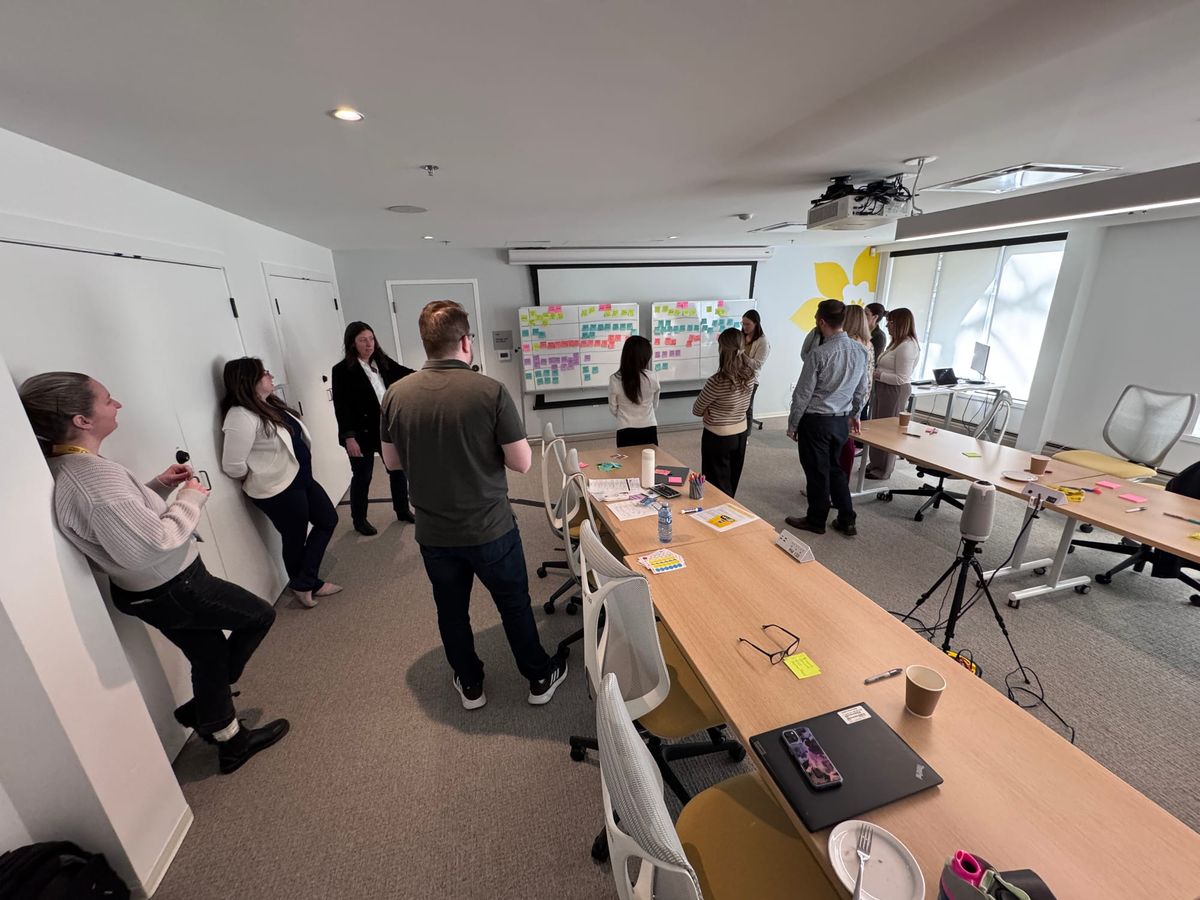
- Design sprints: A focused, deep-dive over the course of a week to make rapid progress on a challenge
- Co-design summits: Gather your key people together for a collaborative design "charette"
- Service design projects: Map the system, engage your community, and return with a fully-realized understanding of the current reality.
- Prototyping sessions: Build out testable solutions, to let you engage with your community in a more tangible way.
Tell me more about the approach of co-creation
Co-creation is all about collaboratively partnering to create what has yet to be envisioned or built. It is distinct from theory, different from solo work, and separate from independent development. Co-creation is often:
- Project-based: It's about making something. A service, a brand, a product, a document, an organization. It's not just "thinking about it" or academically exploring the idea of something. The emphasis is on creation.
- Collaborative: It's easier than ever to make something on your own, with AI-assisted tools. Building it in partnership with others, with the intention of testing it with real humans, helps get you out of that isolating cycle. That's the co.
What does co-design need, to be effective?
- A facilitator: To listen to the perspectives, and synthesize them well, and help the plan keep making progress
- Leaders: Engaged team members, able to make decisions, in your domain.
- Community members: Whether "users" or folks close to the community's core, the humans and relationships at the heart of this are a key ingredient for co-design
- Tangible outputs: Pencils and paper, napkin sketches, physical room layouts, clickable web mockups, cardboard cut-outs. Making the imagined become physical is a key part of prototyping.
- Tests: Knowing what you're looking for, matters. How will you know if the work is effective? What feedback do you need?
- Time: Ideally, constrained to a focused sprint.
Co-design case studies and stories
Co.school x Canadian Cancer Society
Working with Canadian Cancer Society to re-map Wheels of Hope
 Kevan Gilbert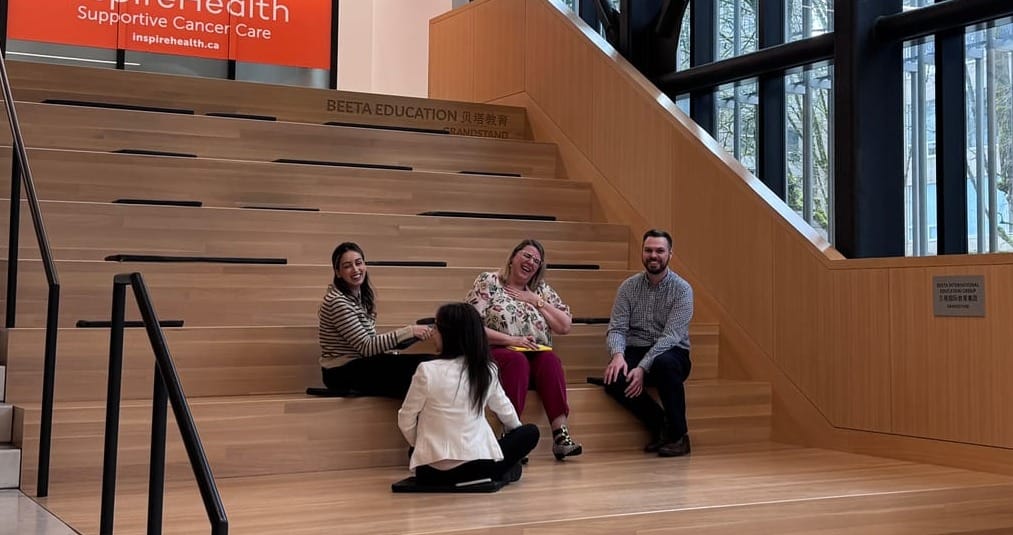
Supporting the launch of the BC Disability Collaborative
How Co.school’s facilitation helped co-create the BCDC
 Kevan Gilbert
Citizen-centric rapid-prototyping in five days with a city government
A Sprint Story: Domain7 with the District of North Vancouver
 Kevan Gilbert (he/him) | Co.school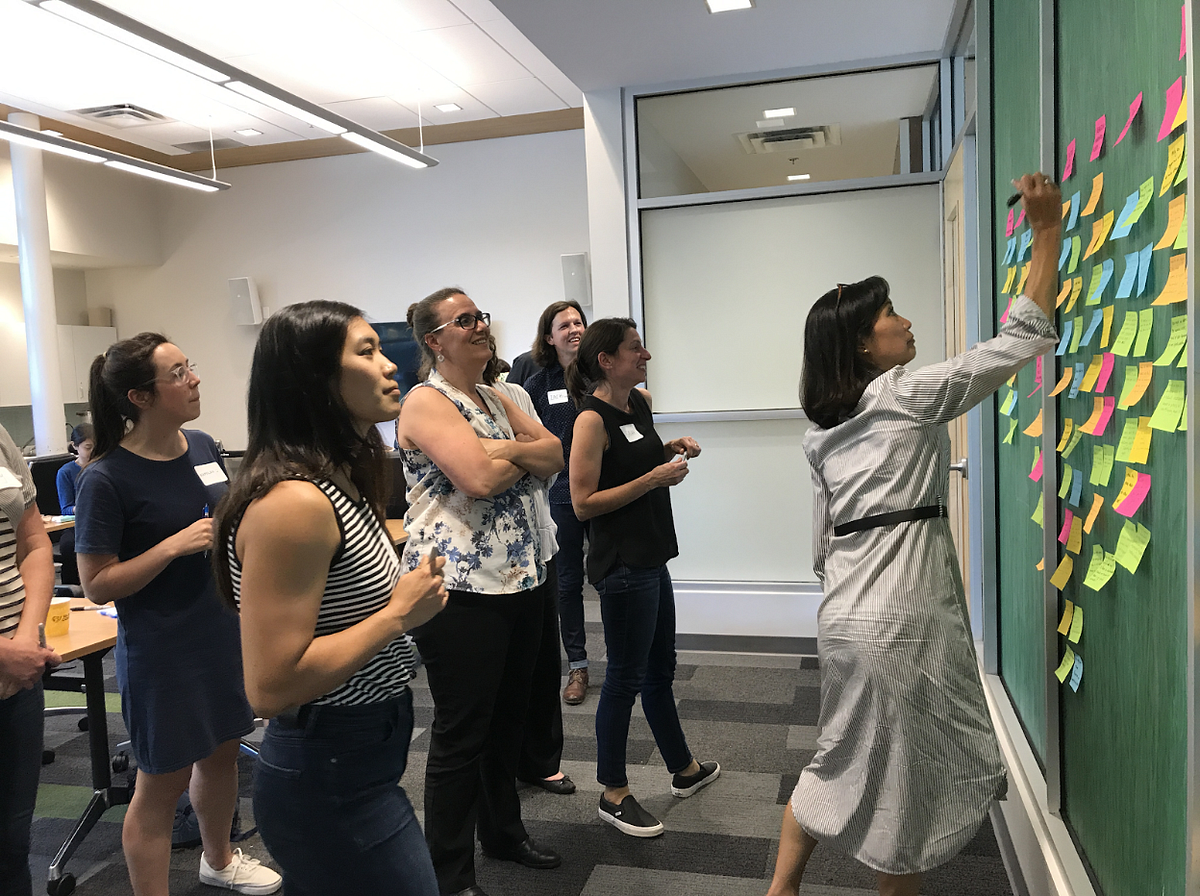
💡
"This was my first time participating in an innovation workshop, and it was such a refreshing experience. It changed how we are approaching this project. We've gone from things feeling a bit open-ended to having real clarity, from patchwork systems to a more integrated and patient-focused approach. Co.school helped us take a heartfelt idea and turn it into a clear, doable plan, and now we're moving forward with real momentum." Elina, CCS Project Manager
Getting started
Book a free intake call: get to know Kevan, learn more about our approach to collaborative design.